What Is Waka Kava? The Grade Most People Mistake for a Brand
What Is Waka Kava? The Grade Most People Mistake for a Brand
By Chester Takau · July 2026
Is waka a brand, a strain, or a grade of kava?
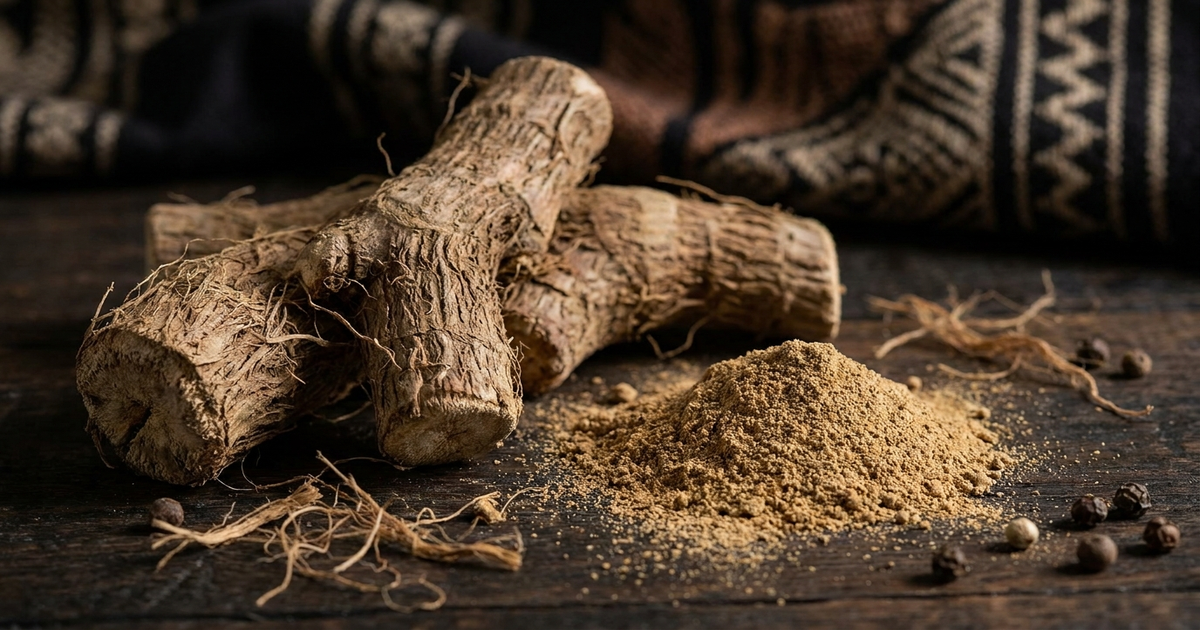
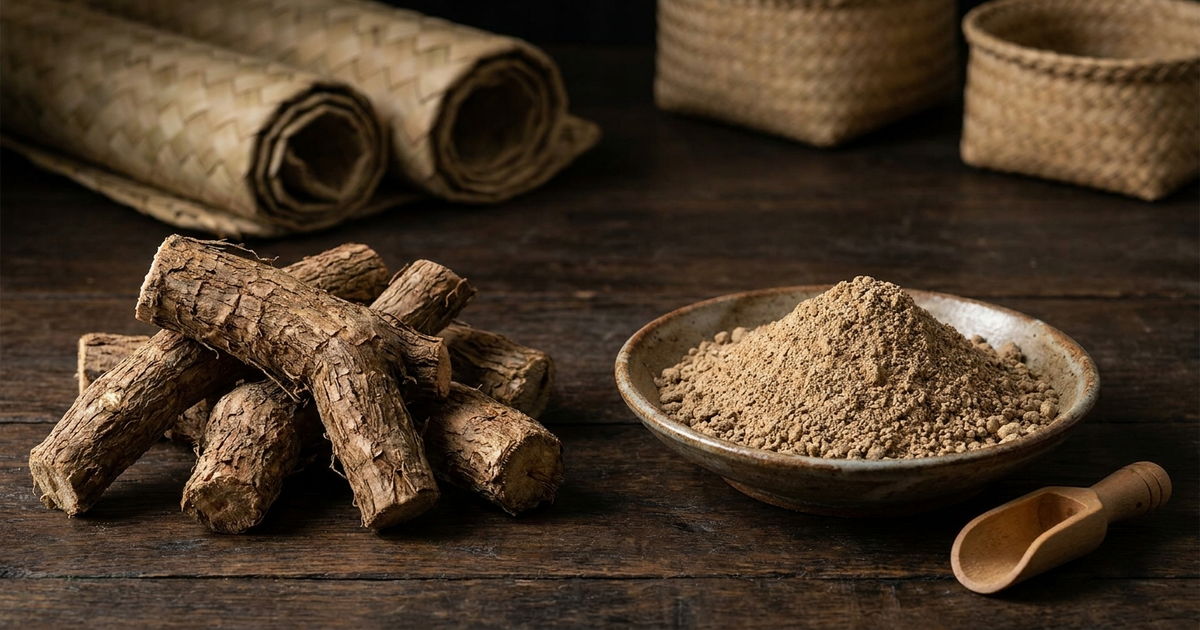
It's a grade — specifically a cut of the root, not a genetic variety and not a company. Kava plants produce two kinds of root: the crown (also called stump or lawena), which sits at the base of the plant, and the lateral roots (waka), which branch out sideways underground. Vendors like Wakacon publish this distinction directly because the confusion runs so deep — plenty of first-time buyers assume "waka" is their brand name rather than the root cut their product is made from. Any noble kava plant, regardless of variety, produces both crown and lateral roots.
What's the difference between waka and lawena?
Root type, kavalactone content, and taste. Waka's lateral roots run higher in kavalactones — community testing on Kava Forums puts waka around 12% versus roughly 9% for lawena — which translates to a faster, stronger onset. Lawena tends to taste smoother and milder, while waka's higher fiber content makes it noticeably more bitter and harsher going down. That taste tradeoff is why the community is genuinely split: waka wins on potency, but plenty of drinkers, including many Fijians and Tongans, prefer lawena for the cleaner head effect and easier drinking.
| Grade | Root part | Kavalactones | Taste / effect |
|---|---|---|---|
| Waka | Lateral (side) roots | Higher, ~12% | Bitter, fast-onset, "heavy" |
| Lawena | Crown / stump root | Lower, ~9% | Smoother, milder, cleaner head |
What does "Number 1 waka" vs "Number 2 waka" mean?
Waka itself gets ranked further by root size and quality. Number 1 waka refers to the largest, thickest lateral roots — the cream of the harvest — and carries the highest kavalactone concentration a vendor will sell. Number 2 waka comes from smaller or thinner lateral roots that are still genuinely waka, just a step down in potency and price. If a listing just says "waka" with no number, it's worth asking the vendor which tier it is, since the gap between a Number 1 and a Number 2 batch is noticeable in the bowl. This mirrors the broader grading questions covered in our kava plant varieties guide.
Is waka "heady" or "heavy"? Does origin change that?
Reports are genuinely mixed, and origin is a big part of why. Fijian waka tends to run higher in dihydrokavain, a kavalactone associated with sedation and muscle relaxation, which pushes Fijian waka toward "heavy" rather than uplifting. Vanuatu and Tongan waka aren't compared to Fijian waka head-to-head nearly as often as they should be, so a lot of what gets said about "waka" online is really describing one origin's chemotype. Some Kava Forums regulars even report a given batch feeling heady the first few sessions and heavier on repeat use, which points to individual tolerance shifting the experience as much as the root itself.
How much waka should I use?
Less than you'd use of lawena or a blended powder. Because waka tests higher in kavalactones, scooping the same amount you'd use for a milder grade will hit harder and taste more bitter than expected. Start with roughly three-quarters of your usual amount, knead it the same way, and adjust up once you know how that particular batch feels. For the full kneading and straining method, see our how to prepare kava guide.
If you want to see the grades side by side rather than just read about them, Kava Vinaka's review walks through Chief's Choice, Lawena, and Waka in the same session, comparing prep and effects across all three. It's a useful watch before you buy if "waka" is still a new word to you.
Transparency note: This article was researched and written by Chester Takau with AI assistance for research gathering and drafting. All recommendations reflect the author's own editorial judgment.
Medical disclaimer: This article is general information reflecting traditional use and published research — not medical advice. Supplement effects, doses, and interactions vary from person to person. Talk to a doctor or pharmacist before starting any supplement, especially if you are pregnant or breastfeeding, taking medication, or managing a health condition.


Comments