Non Alcoholic Kava Party Drinks: The Complete Host's Guide
Non Alcoholic Kava Party Drinks: The Complete Host's Guide
By Chester Takau · July 2026
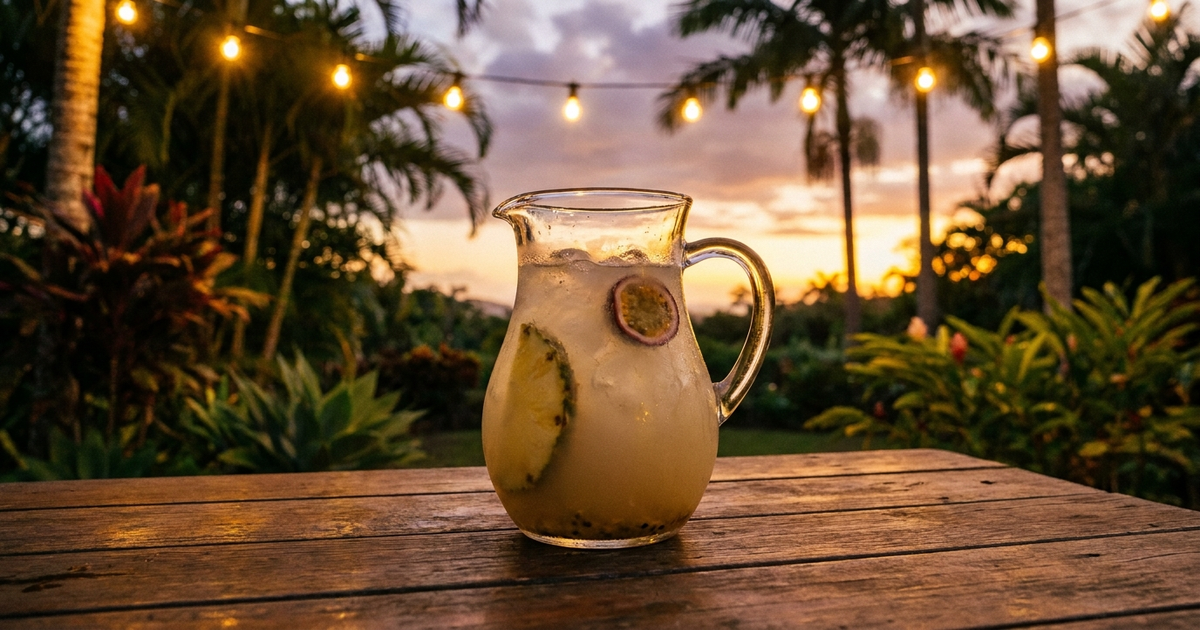
For a party pitcher, brew kava roughly double-strength and cut it 1:1 with juice or another mixer at serving time — that keeps each glass at a normal dose while giving you enough volume to serve a crowd. Use non-citrus mixers like apple juice, pineapple, ginger beer, or coconut water by default, since acidic citrus is the one thing the kava community still argues about. And buy plain noble kava powder only — 2026's biggest party-drink safety issue isn't kava itself, it's "kava" drinks quietly blended with kratom. Here's the full breakdown.
TL;DR for hosts
- Brew double-strength, dilute 1:1 with mixer at serving time — don't just water kava down.
- Apple, pineapple, ginger beer, and coconut water are the safer default mixers over straight citrus.
- Guests get relaxed and numb-lipped, not drunk — no hangover, but effects run 3-4 hours.
- Buy pure noble kava powder. "Kava" drinks blended with kratom are the real 2026 red flag.
- Never spike a kava punch with alcohol — the two compound each other's drowsiness and liver load.
How much kava do you actually need for a party?
This is the gap in almost every kava mocktail post online — recipes tell you what to mix, not how much kava goes into a batch that serves more than one person. Start from a known single-serving ratio and scale it up rather than guessing. A moderate single shell runs about two tablespoons of kava powder kneaded into 250ml of cool water — the same baseline I use in my step-by-step kava brewing method. For a party mocktail, you don't want to serve that straight; you want to stretch it with a mixer without watering down the dose. The fix is to brew double-concentrated: about sixteen tablespoons of powder kneaded into one liter of cool water, using the same knead-and-squeeze technique just scaled up. At serving time, pour 125ml of that concentrate over ice with 125ml of your mixer per glass. That one liter of base covers eight standard glasses at a normal moderate dose, flavored instead of straight. For a group that's mostly first-timers, brew mild instead — half the powder — and let people ask for a stronger second round rather than starting everyone at full strength.
Best non-alcoholic kava party drink recipes
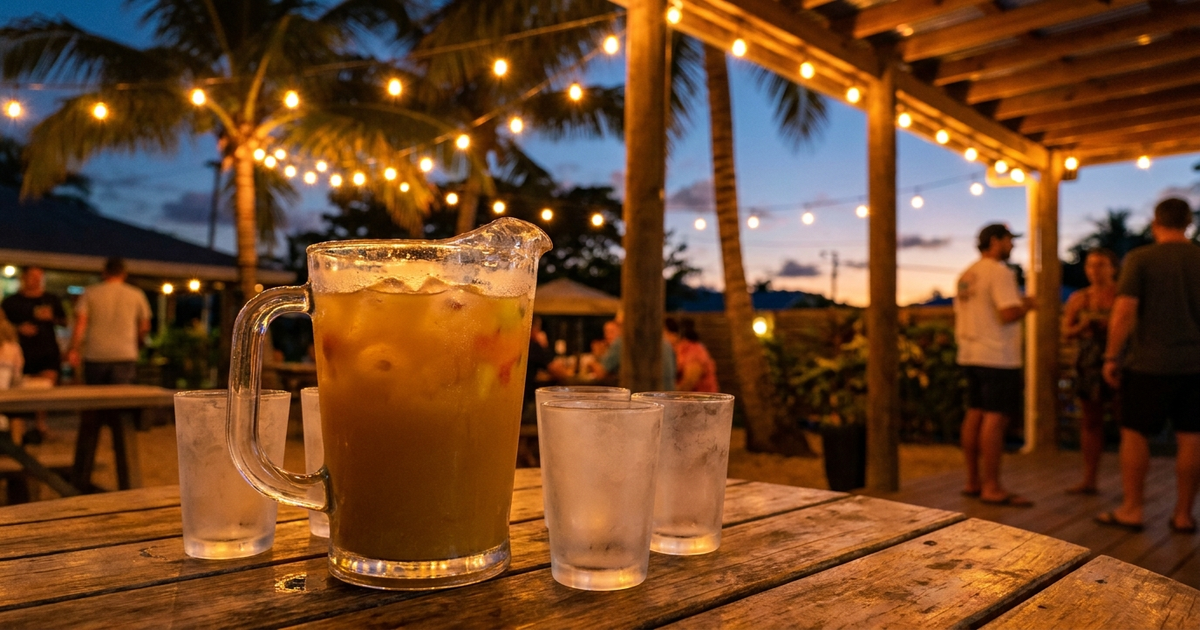
Once you've got a batch of concentrate ready, the mixer does most of the work of making it palatable. Pineapple juice and coconut water both mask the earthy, "muddy water" taste well and read as a tropical mocktail rather than a medicinal shot. Ginger beer adds carbonation and a spice kick that cuts the bitterness without adding sweetness. Apple juice is the mildest, most neutral option and the one least likely to draw complaints from guests who've never tasted kava before. Commercial "kava spirit" mixers, like the lemon-forward blend Kava Haven sells specifically for mocktails, are also built for exactly this use case if you'd rather skip brewing your own concentrate from powder. Whatever base you use, serve it cold and over ice — kava's flavor gets worse, not better, as it sits at room temperature.
If you're working from instant kava powder rather than traditional grind, the hosting hack worth knowing comes from the video above: mix the instant kava with the mixer first, not with plain water, and give it a minute to rehydrate before serving. Instant kava is essentially dehydrated juice, and dropping it straight into a full glass over ice tends to leave clumps floating on top instead of blending in cleanly.
Does citrus kill the kavalactones?
This is a recurring argument on kava forums, and there's no settled lab answer for a party context, so it's worth treating as unresolved rather than repeating either side as fact. The theory is that acidic citrus — orange, lime, lemon — hydrolyzes kavalactones and weakens the drink over time. What the community consensus actually lands on is more practical than chemical: if you're using a citrus-heavy mixer, drink it soon after mixing rather than letting it sit in a punch bowl for an hour, and lean on non-citrus options like apple, pineapple, or coconut water as your default when you don't want to think about it. Pineapple is technically acidic too, but it's the one citrus-adjacent exception that shows up constantly in kava mocktail recipes without complaints, so treat "avoid citrus" as a rule of thumb for orange, lime, and lemon specifically, not an absolute ban on anything tart.
Will guests get drunk, or just relaxed?
Relaxed, not drunk — that's the entire appeal driving kava's growth as an alcohol alternative right now. There are now more than 300 kava bars across the US and over 30 in Florida alone, and separate Circana data from early 2025 found 49% of Americans are actively trying to drink less alcohol, which is a big part of why kava bars keep opening. Kava works on GABA receptors rather than causing the impairment or coordination loss alcohol does, so guests should expect a loosened, social calm and a numb, tingling tongue and lips within the first 20-30 minutes, not slurred speech or stumbling. If you want the fuller rundown of what that actually feels like beyond "relaxed," I've written a longer honest description of the kava buzz worth sharing with first-timers before the party starts. One question that comes up constantly with new drinkers is whether strong kava can cause anything stranger than relaxation — I've covered whether kava can make you hallucinate separately, and the short version for a party setting is that it's not something typical social doses cause. Effects generally run three to four hours, with no hangover the next morning, which is the other reason it's become a go-to for people cutting back on alcohol rather than quitting socializing altogether.
How to avoid fake "kava" drinks
This is the safety issue that actually matters for party hosts in 2026, and it has nothing to do with kava itself. Pre-mixed "feel free"-style drinks marketed as kava have in some cases been blended with kratom, and Louisiana has moved to ban certain products in that category specifically because of the blend, not the kava. The CDC's own poison-center data shows why: reports tied to kratom-containing products sold as "kava" have risen sharply over the past two decades, and around 30% of recent kava-related poison-center calls also involved kratom. For a party, the fix is simple — buy plain noble kava powder or root, check that the ingredient list says nothing but kava, and skip any product marketed with vague "relaxation blend" language. The FDA's long-standing position is that kava isn't recognized as a generally safe food additive outside plain water-steeped tea, and the rare liver injury cases that shaped that stance trace mostly to poor-quality stems, leaves, and solvent extracts rather than water-brewed noble root — another reason to control what actually goes into your pitcher rather than trusting a pre-made mix.
Can you mix kava with alcohol at the party?
No — and this is the one rule worth stating outright even though this whole guide is about the non-alcoholic version. Health authorities that publish kava safety fact sheets are consistent on this point: combining kava with alcohol compounds drowsiness and raises the risk of liver strain, since both are processed through the same pathways. If some guests want kava and others want to drink, keep them as two separate stations rather than one spiked punch bowl, and don't let anyone top up a kava mocktail with a shot "to speed things up."
Put together, a kava party comes down to three decisions: brew strong enough to survive dilution, pick a mixer that hides the earthy taste without picking a real fight with the kavalactones, and source powder that's actually just kava. Get those three right and it runs itself — guests get a genuine buzz-free alternative to a bar cart, and you're not standing over a pitcher doing math halfway through the night.
Transparency note: This article was researched and written by Chester Takau with AI assistance for research gathering and drafting. All recommendations reflect the author's own editorial judgment.
Related on KavaFan: Kava Dosage: How Much Kava Should You Take?; What Is Waka Kava? The Grade Most People Mistake for a Brand; What Is a Kava Chemotype? How to Read the Six-Digit Code
Medical disclaimer: This article is general information reflecting traditional use and published research — not medical advice. Supplement effects, doses, and interactions vary from person to person. Talk to a doctor or pharmacist before starting any supplement, especially if you are pregnant or breastfeeding, taking medication, or managing a health condition.


Comments