What Is a Kava Chemotype? How to Read the Six-Digit Code
What Is a Kava Chemotype? How to Read the Six-Digit Code
By Chester Takau · July 2026
A kava chemotype is a six-digit code, like 426135 or 245631, that ranks the six major kavalactones in a specific kava variety from most to least abundant. It's a ratio, not a strength rating — it tells you which kavalactone dominates, not how much total kavalactone is in the root. Suppliers print it on labels and Certificates of Analysis so buyers can tell a calm, social "heady" kava from a heavy, sedating one, and so noble varieties can be told apart from riskier non-noble ones before anyone drinks it.
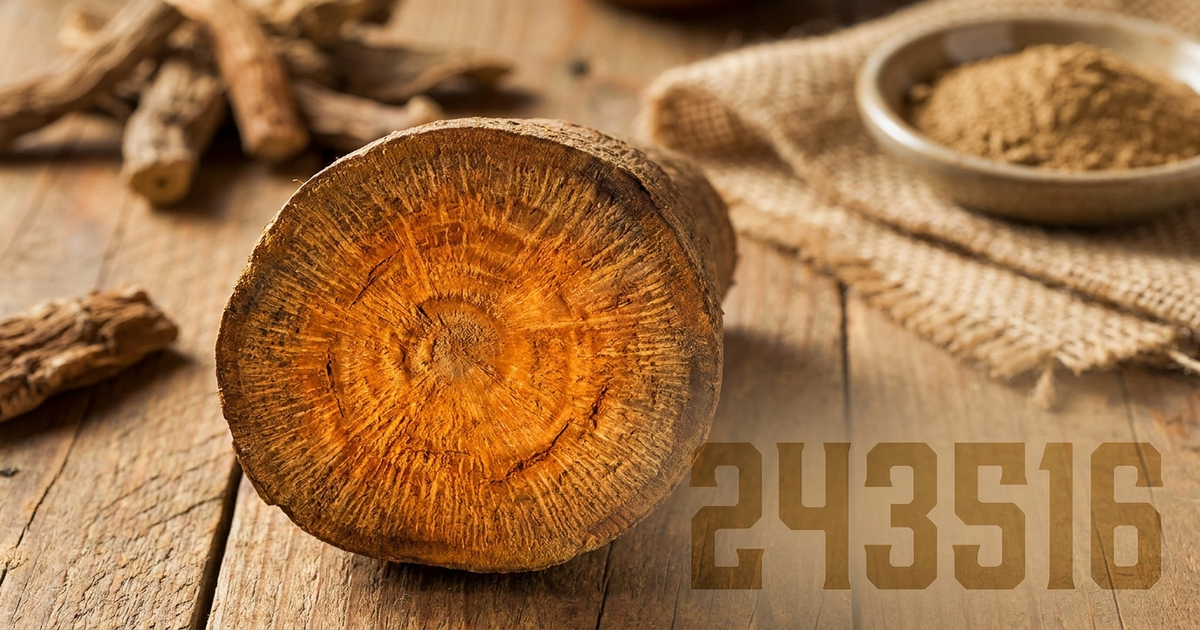
How do I actually read a chemotype number?
Read it left to right, most abundant kavalactone first. Each digit stands for one of the six major kavalactones by their standard lab numbering: 1 (dihydrokavain), 2 (yangonin), 3 (dihydromethysticin), 4 (kavain), 5 (desmethoxyyangonin), 6 (methysticin). A chemotype of 426135 means kavain (4) is the dominant kavalactone in that root, followed by methysticin (6), then yangonin (2), and so on. Only the first two or three digits usually matter for predicting the drinking experience — the tail end is a rounding exercise. If you want the full breakdown of what each of the six compounds actually does in the body, the kavalactone chemistry explainer covers that in depth.
What's the difference between a 423 "heady" chemotype and a 245 "heavy" one?
Chemotypes led by 4 (kavain) or 6 (methysticin) tend to feel clear and social — mentally sharp, talkative, good for daytime or evening gatherings. Chemotypes led by 2 (yangonin) or, more so, a heavy concentration of 1 (dihydrokavain) skew toward "heavy" — physically relaxing, sedating, better suited to unwinding before sleep than getting through a conversation. It's a tendency, not a guarantee: dose, tolerance, an empty stomach, and how the root was prepared all shift how any given chemotype actually feels. Two people drinking the same 423 shell can have noticeably different nights.
Is a chemotype starting with 2 or 5 automatically tudei kava?
Not by itself, but it's the biggest red flag on a label. Tudei ("two-day") kava is defined less by the chemotype digits and more by elevated flavokavain B — a compound not counted among the six major kavalactones at all, and the one most associated with the nausea, prolonged grogginess, and liver-safety concerns tudei kava carries. In practice, though, chemotypes with dihydromethysticin (3) or desmethoxyyangonin (5) dominant show up disproportionately in tudei cultivars, which is why experienced buyers treat a 3-first or 5-first code as a reason to check the source rather than a reason to panic. This distinction has real regulatory weight now: the FDA's December 2025 confirmation of kava as a conventional food, Hawaii's GRAS determination for noble root 'awa, and AHPA's August 2025 kava working group all draw the safe/unsafe line at exactly this noble-versus-non-noble chemotype boundary — it's a legal category now, not just a taste preference.
Does chemotype tell me potency, or just the ratio?
Just the ratio. This is the part most kava labels blur together. Chemotype is genetically fixed — a given cultivar produces roughly the same kavalactone ratio no matter where it's grown, which is why researchers can use it to identify a variety. Total kavalactone content — the actual potency, the percentage by weight — is driven by growing conditions, root age, and harvest timing, and it varies significantly even within the same chemotype. Two bags labeled 426135 can differ a lot in strength if one root was younger or grown in poorer soil. How the root is prepared matters just as much: kavalactones are fat-soluble, and the traditional Vanuatu preparation method extracts meaningfully more of them than a quick cold-water mix, regardless of what chemotype is printed on the bag.
The clearest plain-language walkthrough of how a chemotype "lineup" is actually written comes from Kona Kava Farm's classroom series:
"Kavalactone Lineups typically come in 3's. For example, we might say that a Kava has a 4-2-6 lineup. That means that Kavain is the most prominent Kavalactone in that particular cultivar of Kava."
Is chemotype even a good classification system?
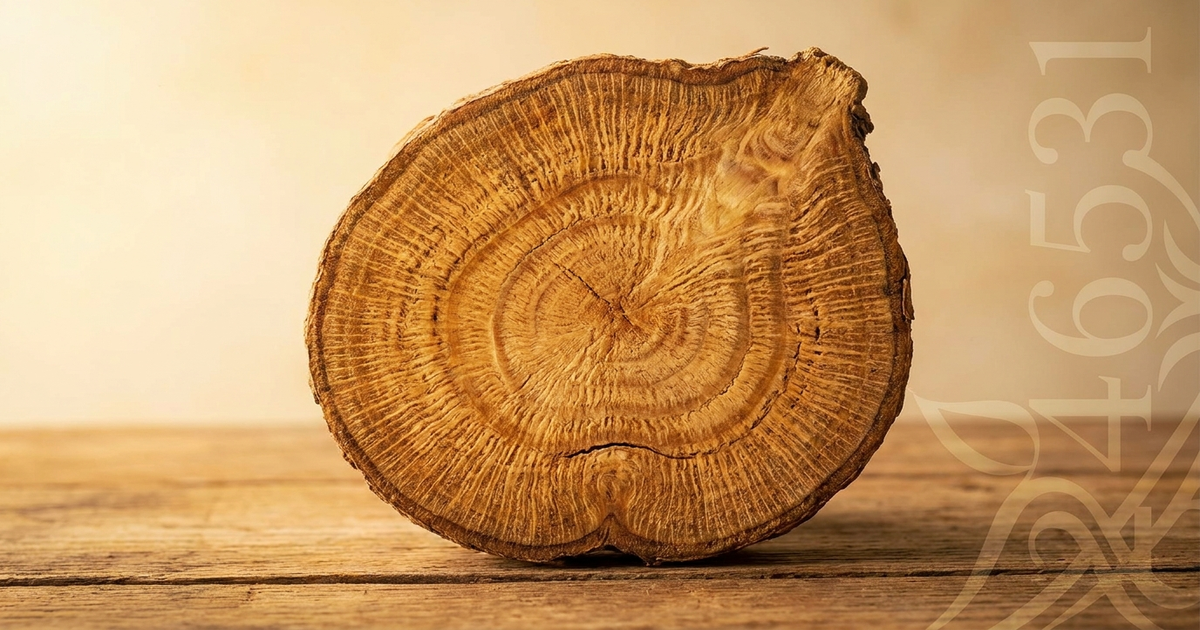
Plenty of experienced drinkers argue it's a blunt instrument, and they have a point. The six-digit code captures ratio but says nothing about total kavalactone content, cultivar terroir, flavokavain levels, or heavy-metal contamination — all of which affect how a root actually drinks. It's a useful first filter, not a complete safety or quality profile. A root can carry a perfectly noble chemotype and still be a rough batch if it was harvested too young or handled poorly. Chemotype narrows the field; it doesn't replace a proper Certificate of Analysis or a trustworthy source.
The practical takeaway: treat the chemotype as the first thing you check on a label, not the last. A 4- or 6-led code from a known noble source is a good sign; a 3- or 5-led code is a reason to ask harder questions about where the root came from. For what can go wrong if you get that wrong anyway, the honest truth about kava and hallucinations covers the psychoactive edge cases people ask about most.
Transparency note: This article was researched and written by Chester Takau with AI assistance for research gathering and drafting. All recommendations reflect the author's own editorial judgment.
Medical disclaimer: This article is general information reflecting traditional use and published research — not medical advice. Supplement effects, doses, and interactions vary from person to person. Talk to a doctor or pharmacist before starting any supplement, especially if you are pregnant or breastfeeding, taking medication, or managing a health condition.


Comments