What Is a Kavalactone? The Chemistry Behind Kava's Effects Explained Simply

What Is a Kavalactone? The Chemistry Behind Kava's Effects Explained Simply
By Chester Takau · July 2026
TL;DR
- Kavalactones are the active compounds in kava root that cause its effects
- There are 18 identified kavalactones; 6 are present in meaningful amounts
- Different kavalactone ratios produce different effects — calm, sociable, sedating
- Noble kava has a stable, predictable kavalactone profile; tudei kava does not
- Effective dose: 70–250mg total kavalactones depending on body weight and tolerance
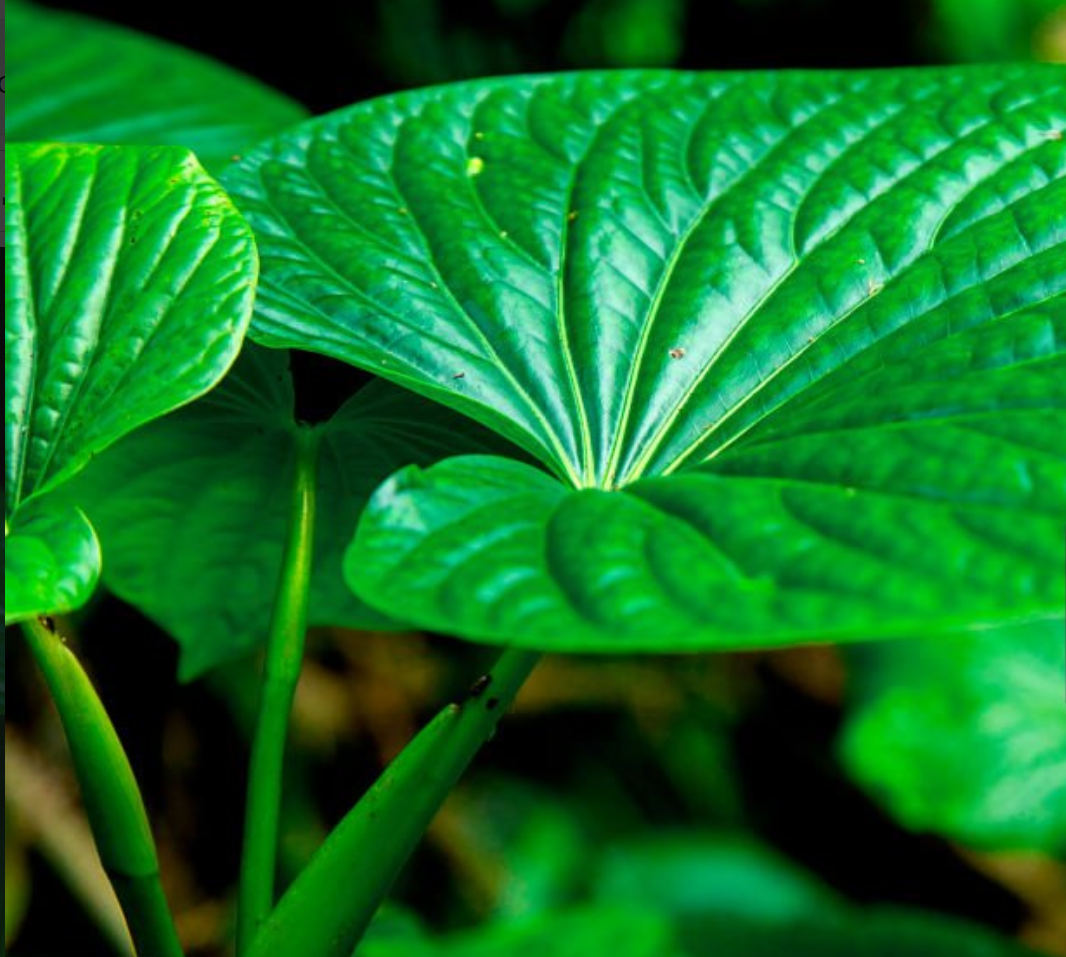
Close-up of kava root cross-section with molecular structure overlay on dark background]
If you have ever wondered why some kava makes you feel relaxed and social, while other kava leaves you heavy and sleepy, the answer is in the kavalactone profile. Kavalactones are not a single compound — they are a family of related molecules, each with a slightly different effect on the brain and body. Understanding this explains why kava variety matters so much more than just "stronger" or "weaker."
The six major kavalactones
Of the 18 kavalactones identified in kava root, six account for the majority of the plant's effects:
| Kavalactone | Code | Primary effect |
|---|---|---|
| Kavain | 1 | Uplifting, sociable, euphoric |
| Dihydrokavain | 2 | Sedating, muscle-relaxing |
| Methysticin | 3 | Relaxing, anti-anxiety |
| Dihydromethysticin | 4 | Strong sedation, sleep-inducing |
| Yangonin | 5 | Mild, mood-lifting |
| Desmethoxyyangonin | 6 | Dopamine-modulating, mood |
The chemotype number — what it means on a product label
Quality kava suppliers list a chemotype — a sequence of numbers like 426135 or 241356. This six-digit code ranks the six major kavalactones from highest to lowest concentration in that specific variety. The first number is the dominant kavalactone. A chemotype starting with 4 (dihydromethysticin) will produce stronger sedation. One starting with 2 (dihydrokavain) is more relaxing without heavy sedation. One starting with 6 (desmethoxyyangonin) tends to be uplifting and mood-focused. If a supplier does not list a chemotype at all, that is a gap in transparency worth noting.
How kavalactones actually work in the brain
Kavalactones affect the brain through several pathways simultaneously, which is why kava feels different from single-compound substances like caffeine or alcohol. They modulate GABA receptors (similar to how benzodiazepines work, but through a different mechanism), interact with dopamine pathways, and affect sodium and calcium channels involved in neuron signalling. The result is relaxation without sedation at low-moderate doses, with sedation increasing at higher doses — particularly when dihydromethysticin is the dominant kavalactone.
Notably, kavalactones do not appear to interact with the opioid system, which is one of the reasons kava does not carry the same dependency profile as opioid-based relaxants. They also do not significantly impair memory formation at typical doses, unlike alcohol.
Why traditional Vanuatu preparation matters for kavalactone extraction
Kavalactones are fat-soluble, not water-soluble. Traditional preparation uses the oils in the plant material itself — worked into cold water by hand for long periods — to bring the kavalactones into suspension. This is why kava prepared with warm water or without adequate kneading produces a weaker drink. The kavalactone content of a properly prepared traditional bowl is significantly higher than a quickly mixed powder in cold water. Adding a small amount of fatty milk (coconut cream is traditional; some people use whole milk) increases extraction further.
Kavalactone dosage
Research on effective kavalactone dosage points to 70–250mg of total kavalactones as the functional range for most adults. Below 70mg, effects are mild. Above 250mg, you are into the zone where sedation becomes pronounced and the next-day heaviness increases. Kava powder typically contains 3–7% kavalactones by weight, so the amount of powder required varies significantly by product. Instant kava and standardised extracts list kavalactone content directly on the label; traditional root powder requires knowing the variety's typical percentage.
For how kavalactone content relates to the different ways kava is prepared, see the how to prepare kava guide. For understanding how different varieties compare, the noble kava vs tudei kava article covers the variety question in full.
Related on KavaFan: Kava vs Kratom: Effects, Safety, and Key Differences
Medical disclaimer: This article is general information reflecting traditional use and published research — not medical advice. Supplement effects, doses, and interactions vary from person to person. Talk to a doctor or pharmacist before starting any supplement, especially if you are pregnant or breastfeeding, taking medication, or managing a health condition.


Comments