Kava Plants: Varieties, Identification, and What Makes Each One Different

There are over 80 named varieties of kava plant (Piper methysticum) cultivated across the Pacific Islands, each with distinct effects, potency, and flavour. Choosing the right variety matters — the difference between a relaxing evening kava and an uncomfortably heavy one comes down to which cultivar you're drinking.
In Vanuatu, where I grew up, every village has preferred varieties grown in family gardens. Knowing your kava cultivars is basic knowledge, like knowing grape varieties is for a winemaker.
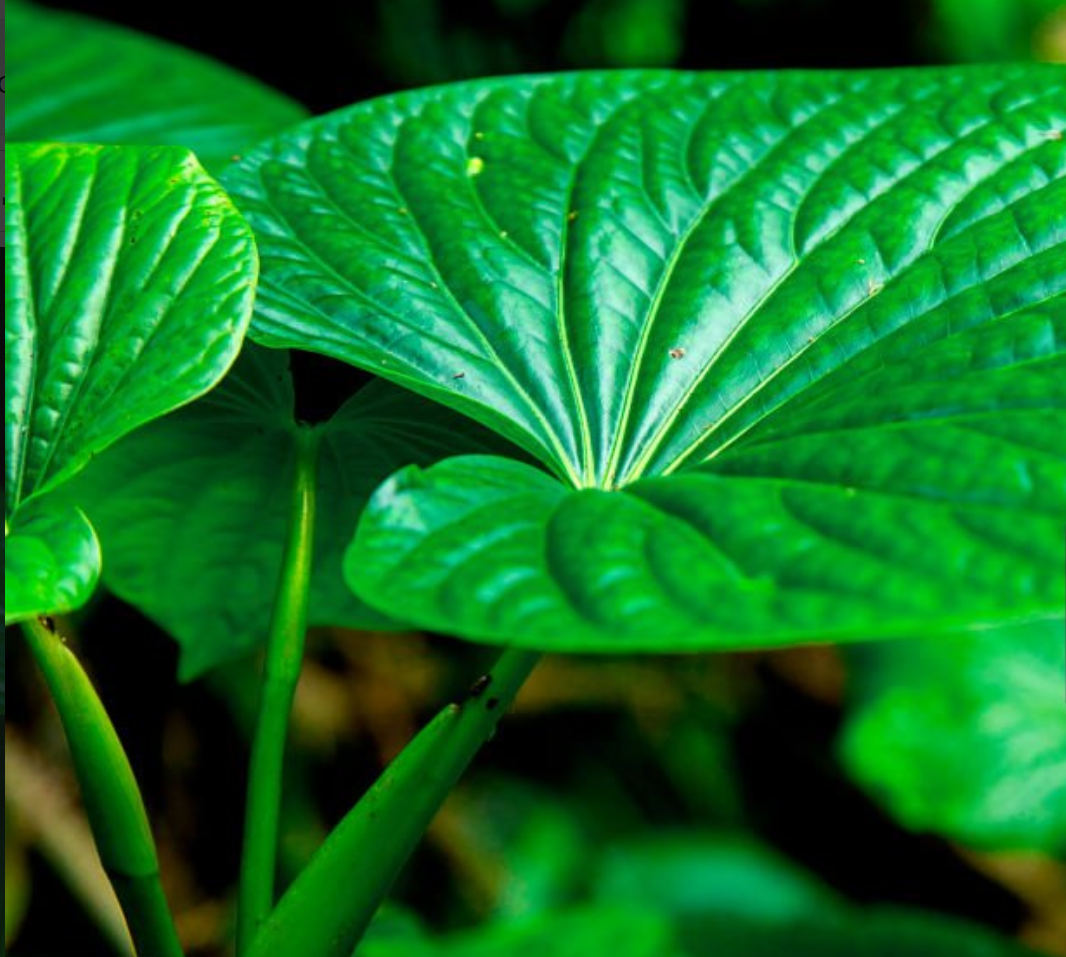
What a kava plant looks like
Kava is a shrubby, green plant that grows 2-3 metres tall at maturity. Its features:
- Leaves: large, heart-shaped, glossy dark green, 15-25cm across
- Stems: thick, jointed (like bamboo), green to dark purple depending on variety
- Roots: the harvested part — a dense, knotted root ball that can weigh 5-20kg at maturity
- Flowers: small, spike-shaped, but kava rarely flowers and almost never produces viable seeds
Stem colour is the easiest visual identifier between varieties. Some have bright green stems, others are dark purple or mottled. In Vanuatu, farmers identify cultivars at a glance by stem colour, node spacing, and leaf shape.
The most popular noble kava varieties
All of these are noble cultivars — safe for daily drinking with clean effects and no hangover:
Borogu (Vanuatu) — the most widely exported Vanuatu kava. Balanced effects: moderate relaxation, mild euphoria, pleasant warmth. Excellent for beginners. This is likely what you'll find if you order "Vanuatu kava" from an online vendor.
Melomelo (Vanuatu) — heavier body effects than Borogu. Good for evening use and sleep. One of the most popular varieties in Vanuatu nakamals (kava bars). The name means "calm" in the local language.
Palarasul (Vanuatu) — a "heady" kava, meaning the effects are felt more in the mind than the body. Produces clear-headed calm and sociability. Preferred for afternoon drinking when you still want to function.
Kelai (Vanuatu) — one of the strongest noble varieties. Deep relaxation and sedation. Best reserved for experienced drinkers and evening use only.
Loa Waka (Fiji) — Fiji's most respected variety. Balanced effects similar to Borogu but with a slightly different flavour profile. "Waka" refers to the lateral roots, which are more potent than the stump.
Mahakea (Hawaii) — a mild, pleasant variety well-suited to the kava bar culture in Hawaii. Gentle relaxation without heavy sedation.
Heady vs. heavy kava
Kava varieties are broadly categorised by their effect profile:
Heady kava affects the mind first — mental calm, mood lift, sociability, and clear thinking. Good for daytime or social drinking. Examples: Palarasul, Mahakea, Melo Melo (some preparations).
Heavy kava affects the body first — deep muscle relaxation, sedation, and physical heaviness. Good for evening use and sleep. Examples: Kelai, Melomelo (strong preparation), some Tongan varieties.
Balanced kava provides a mix of both. Most popular for general use. Examples: Borogu, Loa Waka.
The same variety can lean heady or heavy depending on which part of the plant is used. Lateral roots (waka) are more potent and heavier. The stump (lewena) is milder and headier.
How to choose your first kava variety
Start with Borogu or Loa Waka. Both are balanced, well-studied, widely available, and forgiving of preparation mistakes. They'll give you a clear sense of what kava feels like without overwhelming you.
After a few sessions, branch out based on what you enjoyed most. If you liked the mental calm, try a heady variety like Palarasul. If you liked the body relaxation, try a heavy variety like Melomelo.
Always buy from vendors who name the specific cultivar on the label. Generic "kava root powder" without a variety name is a red flag — it may be a blend of unknown quality, or worse, contain tudei (non-noble) kava.
About the author: Chester Takau is from Vanuatu, the birthplace of kava, where he grew up around dozens of kava cultivars in family gardens and village nakamals. His cultivar knowledge comes from generations of Pacific Island kava tradition.
Medical disclaimer: This article is general information reflecting traditional use and published research — not medical advice. Supplement effects, doses, and interactions vary from person to person. Talk to a doctor or pharmacist before starting any supplement, especially if you are pregnant or breastfeeding, taking medication, or managing a health condition.


Comments