Is Kawakawa the Same as Kava? No, and the Name Is the Only Real Overlap
Is Kawakawa the Same as Kava? No, and the Name Is the Only Real Overlap
By Chester Takau · October 2026
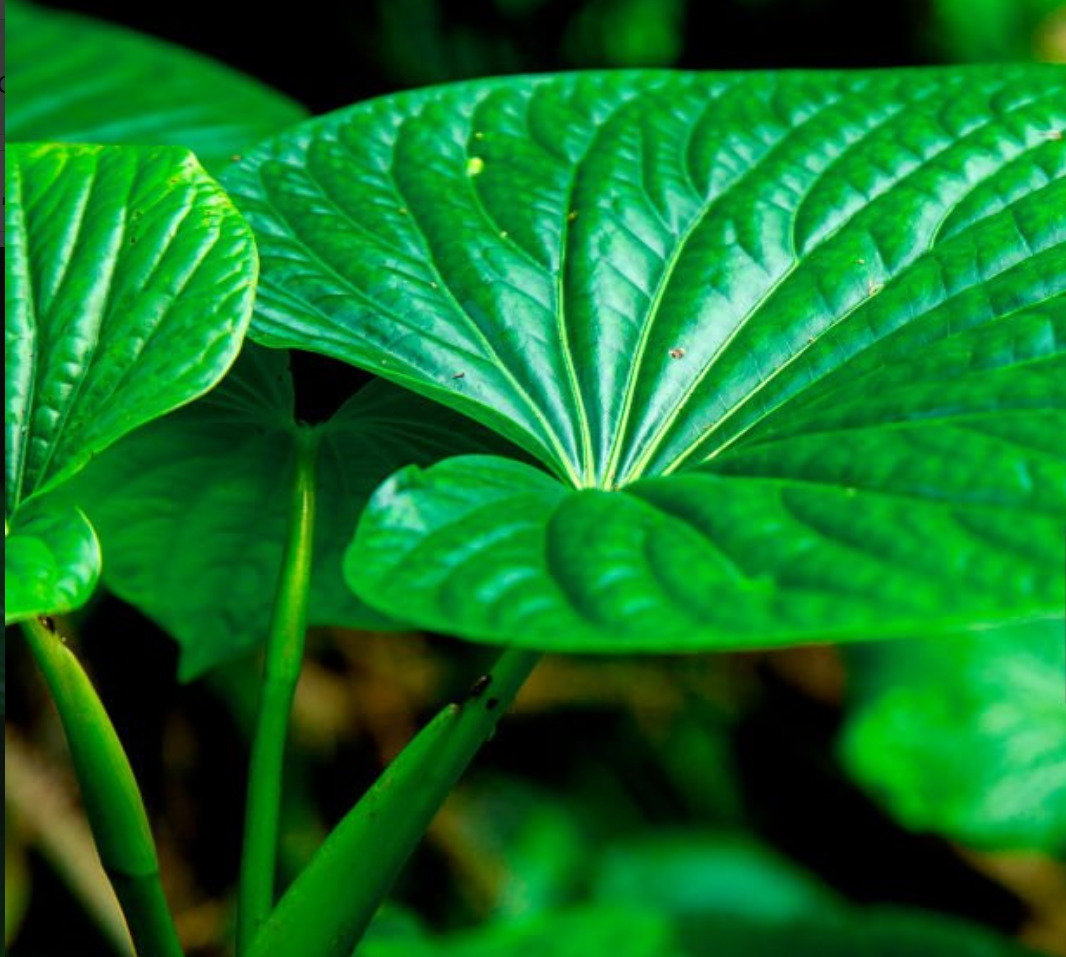
No. Kawakawa (Piper excelsum) is a New Zealand shrub whose heart-shaped leaves are used in rongoā Māori, traditional Māori medicine. Kava (Piper methysticum) is a Pacific root crop made into the drink drunk in Vanuatu, Fiji and Tonga. They share a plant genus and a linguistic root, but kawakawa does not contain kavalactones, so it will not give you a kava-style buzz. That is the position of Atutahi, a Māori-owned NZ drinks brand, and of Wikipedia's entry on the plant.

Chester Takau grew up drinking kava in Vanuatu and writes from firsthand Pacific-Island experience. Health information is educational, not medical advice.
Kawakawa vs Kava: Side-by-Side
| Factor | Kawakawa | Kava |
|---|---|---|
| Species | Piper excelsum | Piper methysticum |
| Part used | Leaf (tea, balm, oil) | Root (kneaded or steeped in water) |
| Compounds named in the sources | Pellitorine (a numbing compound); myristicin in the essential oil | Kavalactones |
| Psychoactive effect | None reported by Atutahi or Wikipedia; some sellers say "calming," with no clinical study found | Yes, the relaxing, mouth-numbing effect kava is drunk for |
| Where it grows | New Zealand | Tropical Pacific islands such as Vanuatu and Fiji |
| Main safety flag | Myristicin in the essential oil can cause delirium at high doses | Liver warnings, including the FDA's 2002 advisory |
Why do the two plants have nearly the same name?
Linguists trace both words to Proto-Polynesian *kava, with the word doubled to make "kawakawa" (Te Mara Reo). Why a New Zealand shrub got that name is a theory, not settled fact. Dr Vincent Lebot, as cited by Kava Society NZ, suggests the first settlers knew kava, could not grow it in New Zealand's cold climate, and named a local look-alike in its memory. Kava Society NZ sells kava, so treat that source as interested rather than independent.
Kava's side of the story: TheCoconetTV on yaqona and kava as Pacific cultural treasures. I found no video that compares the two plants directly.
Does kawakawa relax you like kava?
The sources disagree, and the evidence favours the sceptics. Some NZ herbal sellers market kawakawa tea as calming and stress-reducing. Atutahi and Wikipedia say it has no sedating or psychoactive effect. I found no clinical study showing that kawakawa relaxes people. A 2026 preprint review by Hu, Furuya and Chang on SSRN, not yet peer reviewed, concludes the evidence is not enough to support claims that kawakawa treats anything. Most findings come from lab work, and the one acute human study on immune markers needs to be repeated by others.
Kawakawa research is still active. A 2024 study reported IL-6 and IL-8 gene expression dropping after people drank the tea, and the University of Auckland received $820,000 in December 2024 to study its effects on inflammation, diabetes and the gut microbiome, designed with rongoā Māori practitioners. Interesting, but none of it makes kawakawa a kava substitute. Kawakawa also holds cultural weight as a rongoā plant and in tangihanga and marae welcomes, so it deserves more respect than being treated as "NZ kava."
Is kava legal in New Zealand?
According to Atutahi, kava in NZ is regulated as a food under Standard 2.6.3 of the Food Standards Code, and NZ did not adopt Australia's tighter 2022 kava rules. Rules are moving elsewhere. Fiji is drafting a Yaqona (Kava) Bill 2026, and its new import rules require stricter safety testing, permits and paperwork. Vanuatu's government said on 15 October 2026 that it will consult its kava industry about them. Check current rules for your own country before buying.
FAQ
Can kawakawa get you high?
Not in the way kava does. Atutahi states it contains no kavalactones, so there is no kava-style buzz.
Is kawakawa safe to drink every day or in pregnancy?
That is unsettled. Animal data show short-term safety for water-based leaf preparations, not long-term safety, and the essential oil carries a myristicin flag. Ask a doctor or a rongoā practitioner before regular use, especially in pregnancy.
Is kava the safer option?
Neither is risk-free. The FDA's 2002 liver warning still stands, and US News reported a CDC warning about kava on 8 April 2026. I write as a kava drinker, not a clinician, and this is general information, not medical advice.
Sources
Atutahi — Kawakawa vs Kava
Wikipedia — Piper excelsum
SSRN (2026 preprint) — A Review of Kawakawa (Piper excelsum)
Food Science & Nutrition (2024) — kawakawa anti-inflammatory study
University of Auckland — Can kawakawa keep you healthy?
Te Mara Reo — Kawa (etymology)
Kava Society NZ — Kava vs Kawakawa and the Māori memories of kava
Kiwiherb — Benefits of kawakawa
US News (8 Apr 2026) — CDC warns about kava
PINA (15 Oct 2026) — Vanuatu to consult kava industry over Fiji import rules
Updated October 2026.
Transparency note: This article was researched and written by Chester Takau with AI assistance for research gathering and drafting. All recommendations reflect the author's own editorial judgment.


Comments