How to Grow a Kava Plant: Climate, Soil, and Harvesting Guide

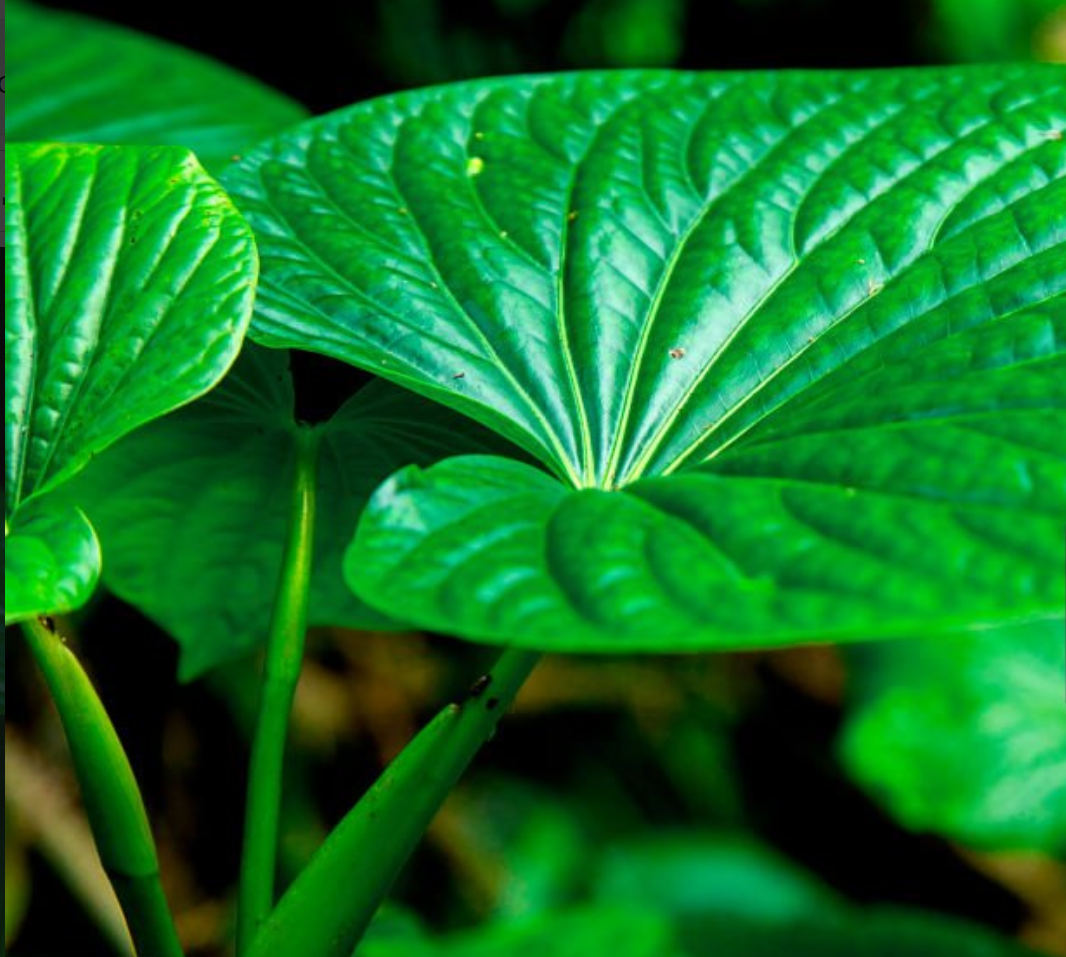
Growing kava requires patience and the right conditions. The plant (Piper methysticum) takes three to five years to reach harvestable maturity, needs consistent tropical warmth, and won't tolerate frost or direct sun. But if you can provide what it needs, kava is a rewarding and low-maintenance crop.
In Vanuatu, where my family has grown kava for generations, the plant thrives in the volcanic soil under the forest canopy. Replicating those conditions — warm, humid, shaded, and well-drained — is the key to success.
Climate requirements
Kava is a tropical plant that grows best between 20-35°C (68-95°F). It needs:
- Temperature: consistently above 20°C. Kava cannot survive frost — even a single night below 10°C can kill the plant
- Humidity: 70-100%. Kava loves moisture in the air. If you live in a dry climate, a greenhouse or humidity tent is essential
- Rainfall: 2,000-3,000mm annually, or equivalent watering. The soil should stay moist but never waterlogged
- Shade: 60-80% shade is ideal. In Vanuatu, kava grows under the canopy of larger trees. Direct sun scorches the leaves
Outside the tropics, kava can be grown indoors or in a heated greenhouse. Hawaii, Florida, and parts of Queensland and the Northern Territory in Australia have suitable outdoor conditions.
Soil and planting
Kava needs rich, well-draining soil with a slightly acidic pH (5.5-6.5). In Vanuatu, the volcanic soil provides perfect drainage and mineral content. For container or garden growing:
- Mix potting soil with perlite and compost (60/20/20 ratio)
- Ensure excellent drainage — kava roots rot in standing water
- Plant in a pot at least 50cm deep to accommodate root growth
Kava is grown from cuttings, not seeds. The plant rarely produces viable seeds. Source stem cuttings from a reputable nursery that sells named noble varieties. Each cutting should have at least two nodes.
To plant a cutting:
- Cut a section of stem with 2-3 nodes, each about 15-20cm long
- Remove lower leaves, keeping one or two leaves at the top
- Plant the cutting at an angle in moist soil, burying at least one node
- Keep the soil consistently moist and the cutting in shade
- Roots should develop within 2-4 weeks
Care and maintenance
Watering: Keep soil consistently moist but not soggy. In dry indoor environments, mist the leaves daily. Kava drinks a lot of water but can't sit in it.
Feeding: Apply a balanced organic fertiliser every 6-8 weeks during the growing season. Avoid high-nitrogen fertilisers — they promote leaf growth at the expense of root development, and the roots are what you harvest.
Pruning: Pinch back growing tips to encourage bushier growth and thicker root development. Remove any yellowing or damaged leaves promptly.
Pests: Kava is relatively pest-resistant, but watch for spider mites in dry indoor conditions and root-knot nematodes in garden soil. Neem oil handles most surface pests.
Harvesting
Kava roots are ready to harvest after 3-5 years of growth. In Vanuatu, most farmers harvest at the four-year mark for a balance of potency and yield. The longer you wait (up to about six years), the more potent the kavalactones become.
Signs of readiness:
- The plant has multiple thick stems
- The root ball is substantial when you gently check around the base
- The plant is at least 1.5-2 metres tall
To harvest, uproot the entire plant (kava is harvested destructively — the whole plant is pulled). Wash the roots thoroughly, cut away the crown (which can be replanted), and either use the roots fresh or dry them for storage.
Fresh roots are peeled, pounded, and strained with water. Dried roots are chopped, sun-dried for several days, then ground into powder.
Is it worth growing your own?
If you're in a tropical climate: absolutely. A mature kava plant produces 5-10kg of fresh root, which is enough for many months of use and has a market value of several hundred dollars.
If you're growing indoors in a temperate climate: it's a rewarding project, but the yield will be smaller and the timeline longer. Most indoor kava growers do it for the experience and connection to the plant rather than for a practical supply.
Either way, growing kava gives you an appreciation for why this plant is so valued across the Pacific — it demands years of care before it gives anything back, which mirrors the patience and respect that Pacific Island cultures bring to the kava tradition.
About the author: Chester Takau is from Vanuatu, where his family has cultivated kava for generations. His knowledge of kava growing comes from hands-on experience in the traditional farming practices of the Pacific Islands.
Related on KavaFan: The Kava Plant: What It Is and How It Grows
Medical disclaimer: This article is general information reflecting traditional use and published research — not medical advice. Supplement effects, doses, and interactions vary from person to person. Talk to a doctor or pharmacist before starting any supplement, especially if you are pregnant or breastfeeding, taking medication, or managing a health condition.


Comments